


Writing About Place: Capturing British Towns and Countryside on the Page
A practical guide to making British settings feel observed rather than generic — pubs, high streets, weather and regional speech, with field-note prompts and editing advice.
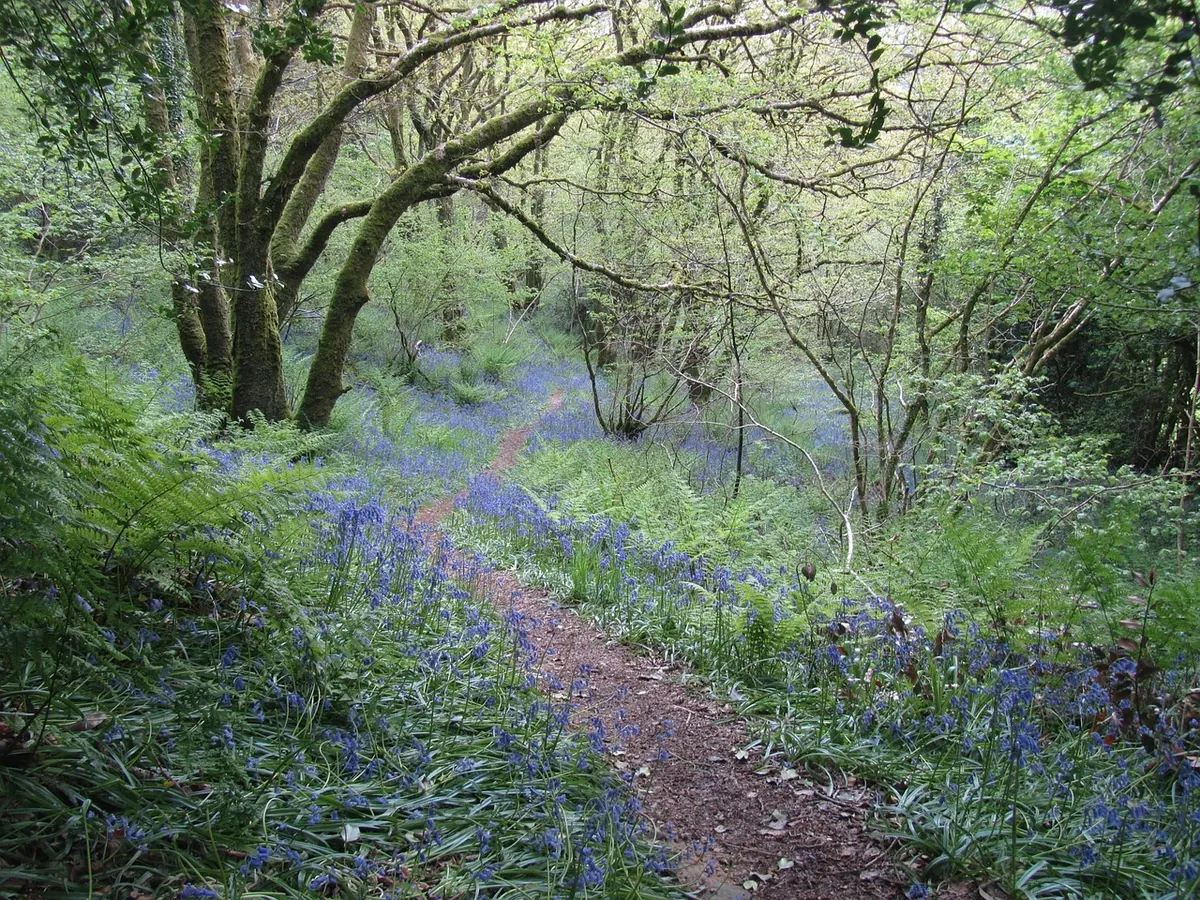
A reader can usually tell within a paragraph whether the writer has stood on the pavement or merely looked the town up on a map. British places are particular things. A Yorkshire market town and a Devon seaside town may share a bus timetable and a weather forecast and almost nothing else. Specificity is not difficult to achieve; it simply has to be observed rather than borrowed from television.
The test of a real place
The quickest way to flatten a British setting is to describe it by category. A cosy pub. A bustling high street. Rolling countryside. These phrases tell the reader where they are in general terms and nothing more.
Compare: the pub with a laminated quiz poster taped inside the window, curling at one corner. The high street where a queue forms outside the barber's at ten to nine on a Saturday. A field gate tied shut with orange baler twine because the hinge has been broken for years.
The shop that sold fishing tackle now sells vapes, and the old sign is still bolted above the door.
None of those details is dramatic. All of them are evidence. Here is a workable test. Read your description and ask whether it could belong to any town in Britain. If the answer is yes, sharpen it until it could only be here, or cut it and find something better. Readers who live in the place you are writing about will spot a fake in a sentence, and they are not the only ones.
The pub is not a prop
Pubs carry so much weight in British writing that they often arrive pre-furnished: oak beams, a roaring fire, a landlord polishing a glass. Some of that exists. Most of it is shorthand.
Let the room do the work
Think about what kind of pub it is before you think about who is in it. A wet-led pub — drink first, food grudgingly — has a different smell and sound from a dining pub with a chalkboard menu and a booking system. The carpet matters. So does the height of the bar, whether there is a fruit machine with the volume turned down, whether the toilets are reached by a corridor past the kitchen, whether there is a dog bowl by the door. A beer garden overlooking a car park and a row of wheelie bins is a more honest setting than one overlooking the river.
The people, and the clock
A pub at six on a Friday is not the same room as the same pub at ten. Regulars have seats, and they will notice if a visitor takes one. Quiz night rearranges the furniture and the hierarchy at once. Watch how newcomers are handled. The cliché is a sudden silence and every head turning; the reality is usually a glance, a nod, a short exchange, then a return to the previous conversation. In a village pub, ask who is missing — the young people who moved away, the older regulars who stopped coming after the bus route changed.
High streets and the archaeology of a town
Every high street is a dig site. A Victorian town hall, a 1960s precinct with concrete planters, a retail park on the bypass: three layers of the same argument about where people should spend their money. Buildings change use — chapel to carpet shop to nail bar — and the older signs are often still there, painted on brick and fading.
Look at what the shops sell and what they no longer sell. Look at the unit that has changed hands every eighteen months since you were a child. Read the noticeboard outside the library or the church: toddler group, jumble sale, missing cat, parish council agenda. Notice where the benches are, and who sits on them at half past three on a school day. If there is a market, find out which day it runs; a Wednesday market and a Saturday market are different institutions in the same square.
Weather is behaviour, not mood
Rain in Britain is not one thing. There is drizzle that soaks you over twenty minutes, a shower that passes in five, sharp rain driven sideways along a seafront, and the fog that comes off the North Sea and sits on a town for a week. Haar is the word for that on the east coast; dreich is the Scots word for the grey, damp, windless sort of day that never quite becomes anything.
Weather should change what people do, not just how a scene feels. It decides whether the washing goes out, whether the pub garden fills, whether the match is called off, whether the bus is late. It gives you the low winter sun throwing long shadows down a high street at half past three, the street lights coming on before closing time, the smell of wet tarmac after a hot afternoon. Cut any sentence in which the weather is doing nothing except matching someone's mood.
Speech: get the rhythm before the spelling
Nothing dates a British setting faster than phonetic dialect. A page of dropped letters and apostrophes is hard to read and easy to get wrong. Grammar, word order and rhythm will do far more work than spelling.
Listen for sentence order. In parts of the Midlands and the north you will hear I were where a southerner says I was. Listen for the tag at the end of a sentence, the answer that is not quite an answer, the understatement — not bad meaning good, mustn't grumble meaning nothing is being discussed. One well-chosen word, used once, lands harder than a paragraph of imitation. Then trust it.
Pay attention to how people give directions, too. Rarely street names. More often it is "past where the garage used to be, then left at the lights". That single exchange tells you how long someone has lived there and what the town looked like before.
Field notes: what to record while you are there
Sit somewhere for twenty minutes and write down the following.
- Sound at three different times of day — the school run, the lunch hour, the last bus.
- What is in the window of the butcher's, the charity shop, the estate agent's.
- The exact wording of signs: closing times, apologies, warnings, opening hours that contradict the ones online.
- Smells — chip fat, wet wool, the bus station, the river at low tide.
- Who is sitting where, and what they are wearing.
- The state of the pavement: chewing gum, fresh tarmac, weeds in the gutter.
- The noticeboard, copied out in full if you can.
- What the light is doing, and what the wind is doing to the trees or the flags.
Putting it on the page
Write the place from memory first, then check it against your notes; what you remember is usually what matters. Cut one adjective in three. Give the setting a job in the scene — a street that makes someone late, a pub where they cannot talk quietly, a hill that takes the breath out of an argument. Keep one sense other than sight on every page or so; sound and smell place a reader faster than any view.
A town written from the pavement outward will hold. A town written from the internet inward will not.
Photo: glarcombe / Pixabay